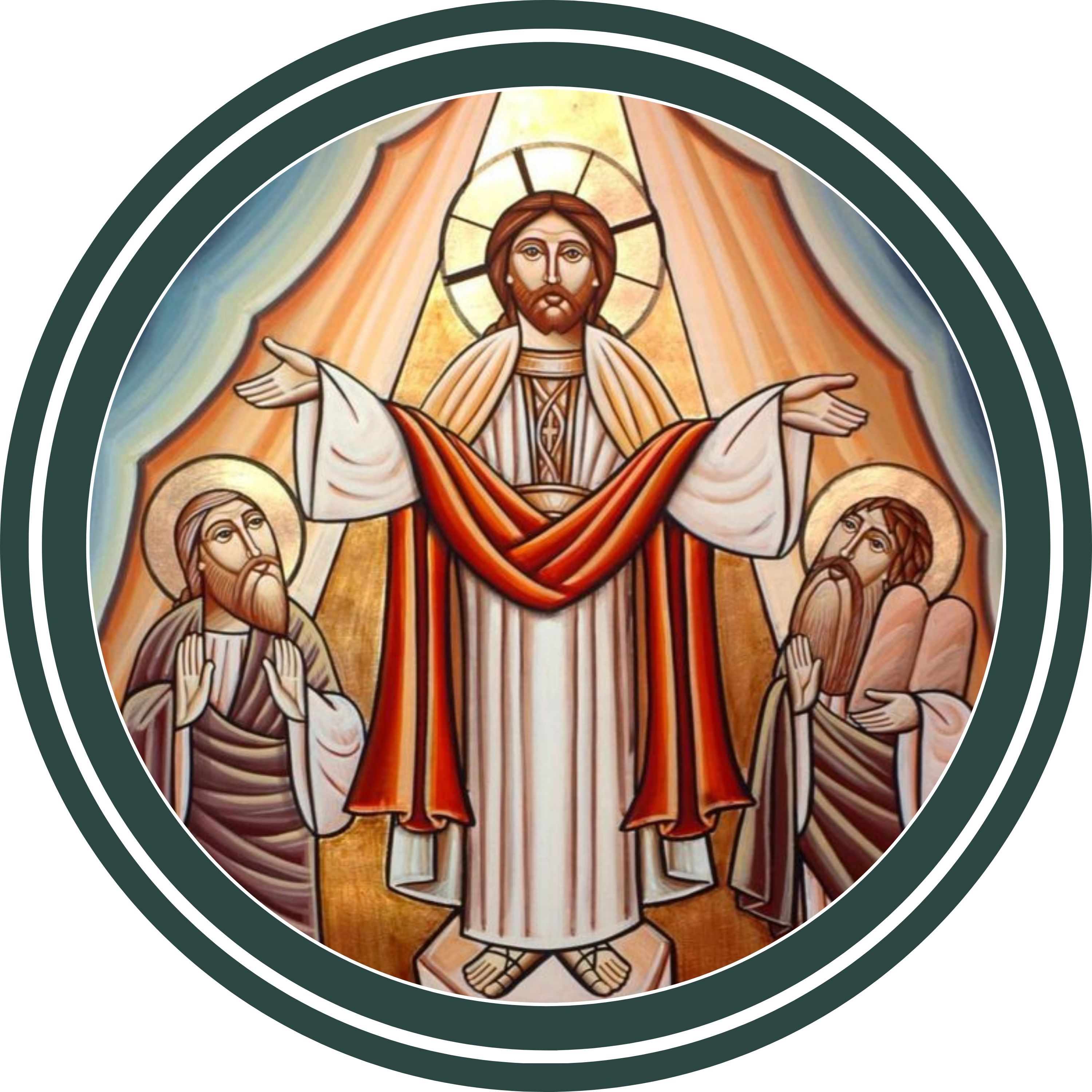

deChurched?

… commentators distinguish between people who are un-churched (as in never had any significant contact with a church) and those who are de-churched (as in once were involved, but no more thank you very much).

Churched, Un-churched or De-churched

I used the term for the first time yesterday. It was a little of a shock to me. “Yes, I am de-churched but still in love with Jesus”.

It is a gigantic leap to say that the earthly institution we call “church” is the same as the Body of Christ. Even more that a system of thought or decisions of a particular organisation is more important than an individual person. How can any system that is above the individual be acceptable? Obedience is not simply conformity (to an external) but accountability (for my actions). My experience is valid and meaningful to me. The individual’s confession – my confession – is “Jesus is Lord”, not “Jesus and various other things are Lord”. No Jesus+ or faith+. No institution above intimacy.

Sorry, that is a brain dump that was floating in my head for some time. I am not looking for someone to agree with me (or disagree with me). This is simply where Jesus has led me. Anyway …
theology of presence

Watch therefore: for ye know not what hour your Lord doth come. … Therefore be ye also ready: for in such an hour as ye think not the Son of man cometh.

Matthew 24:42, 44

A theology of presence will proclaim the virtues of waiting and watchfulness.

weeping, fasting, and praying …

Turn thou us, O good Lord, and so shall we be turned. Be favourable, O Lord, Be favourable to thy people, Who turn to thee in weeping, fasting, and praying. For thou art a merciful God, Full of compassion, long-suffering, and of great pity. Thou sparest when we deserve punishment, And in thy wrath thinkest upon mercy. Spare thy people, good Lord, Spare them, and let not thine heritage be brought to confusion. Hear us, O Lord, for thy mercy is great, And after the multitude of thy mercies look upon us; Through the merits and mediation of thy blessed Son, Jesus Christ our Lord. Amen.

A Commination

… but is often forgotten

… what cannot be forgotten is that truth for Christians is not just another object but a concrete person, Jesus of Nazareth. …

Skepticism arises from our desire to know without the self being transformed. Ironically skepticism is but the result of our anxious desire to secure certainty by being “at home in the world.”

Skepticism, Relativism, and Religious Knowledge:
A Kierkegaardian Perspective Informed by Wittgenstein’s Philosophy

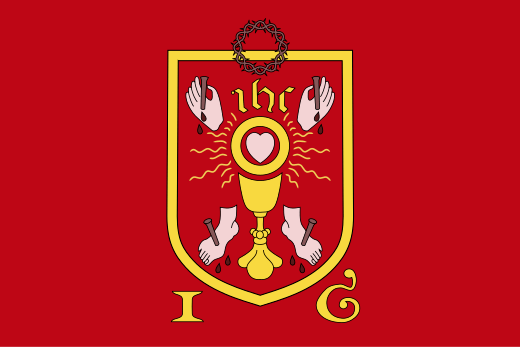
pilgrimage of grace

Why is the Pilgrimage of Grace not remembered liturgically? (Why is there no feast?)

One of the outcomes is:

Four of the seven sacraments that were omitted from the Ten Articles were restored in the Bishop’s Book of 1537, which marked the end of the drift of official doctrine towards Protestantism. The Bishop’s Book was followed by the Six Articles of 1539.

Also: the flag is the Five Wounds!!!!!

wedding garment?

And when the king came in to see the guests, he saw there a man which had not on a wedding garment:. And he saith unto him, Friend, how camest thou in hither not having a wedding garment? And he was speechless. Then said the king to the servants, Bind him hand and foot, and take him away, and cast him into outer darkness; there shall be weeping and gnashing of teeth. For many are called, but few are chosen.

Matthew 22:11-14

litany

The Book of Common Prayer Litany ends with this Collect:

We humbly beseech thee, O Father, mercifully to look upon our infirmities; and for the glory of thy Name turn from us all those evils that we most righteously have deserved; and grant that in all our troubles we may put our whole trust and confidence in thy mercy, and evermore serve thee in holiness and pureness of living, to thy honour and glory; through our only Mediator and Advocate, Jesus Christ our Lord. Amen.

Litany

I just wanted to share!

sewing

Describe the most ambitious DIY project you’ve ever taken on.

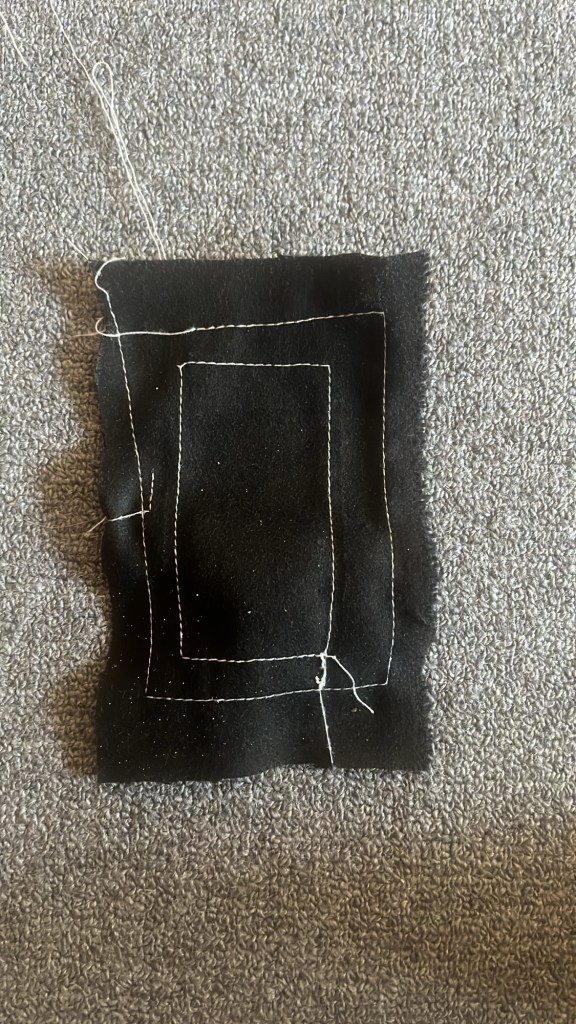
Glad you asked! I am learning to sew. It is completely out of my comfort zone. I sewed my first piece yesterday! You like?

ban?

If you could permanently ban a word from general usage, which one would it be? Why?

To be honest, I do not like the idea of banning things. There are words I wish I did not use – “unique” or “kafkaesque”. But banning seems a little kafkaesque.

What would the punishment be? “Word goal”?

[As an aside, I like the word “kafkaesque” but it makes me sound very “unique”.]

What do words really do? Is there any meaning behind them? Or only that which we assign them within our social context?

Even so, come Lord Jesus.