… all voices sound different in solitude.
Friedrich Nietzsche; The Gay Science
Category: Nietzsche
purgation
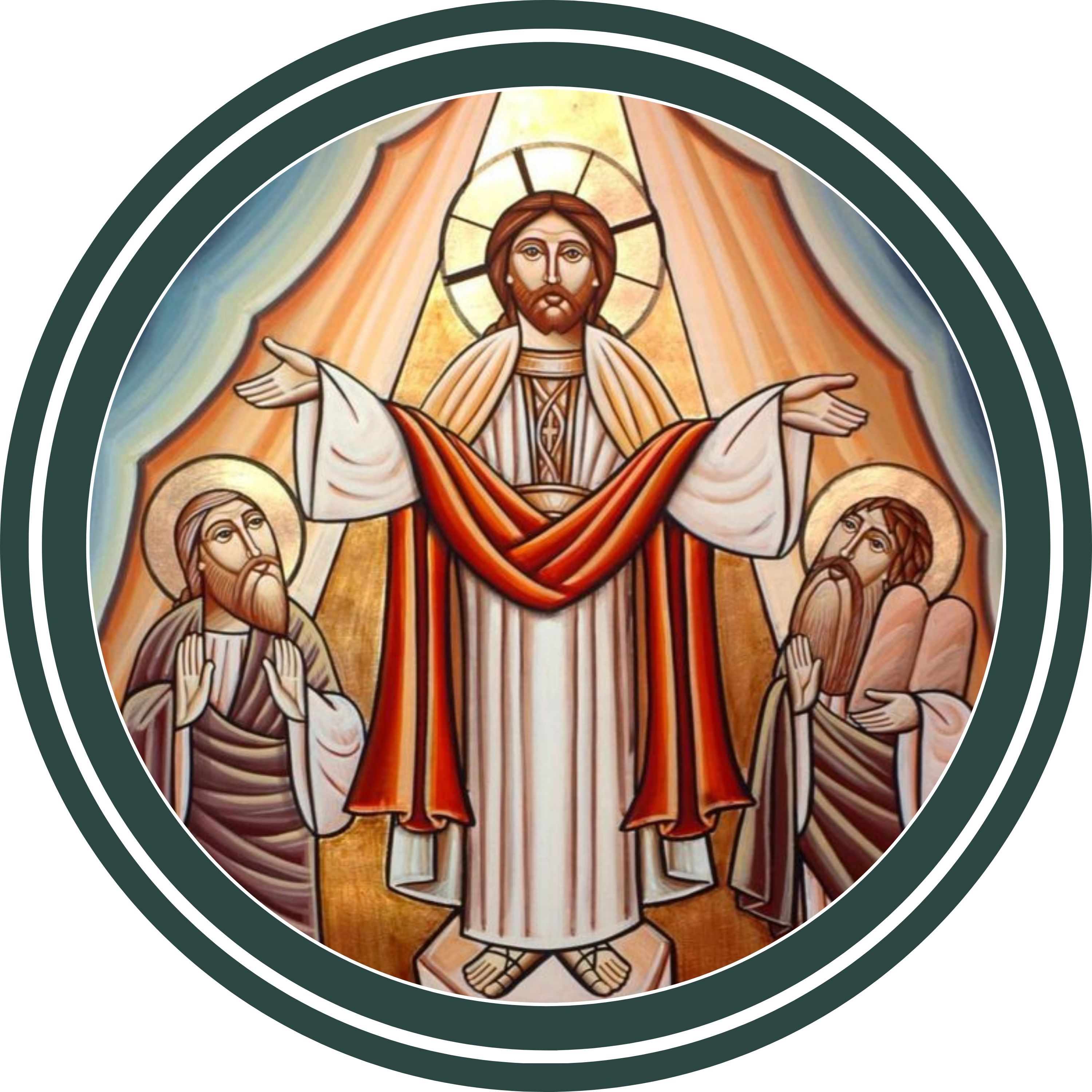
Traditionally the first “step” of union with God is purgation. One of the definitions suggested by Google is “evacuation of the bowels brought about by taking laxatives.” For the follower of Jesus, it is simply being like Jesus who …
… ἑαυτὸν ἐκένωσεν μορφὴν δούλου λαβών, ἐν ὁμοιώματι ἀνθρώπων γενόμενος· καὶ σχήματι εὑρεθεὶς ὡς ἄνθρωπος
… made himself of no reputation, and took upon him the form of a servant, and was made in the likeness of men
Philippians 2:7 (KJV)
Other English translations use “empty himself” for κενόω. Maybe philosophically it is a little like “nihilism” – to become nothing? For the follower of Jesus is a choice to be “nothing” so God can create.
reading
What are you passionate about?
Reading Nietzsche in the original German.
just what if?
… the most dangerous of errors hitherto has been a dogmatist error–namely, Plato’s invention of Pure Spirit and the Good in Itself. … But the struggle against Plato, or–to speak plainer, and for the “people”–the struggle against the ecclesiastical oppression of millenniums of Christianity (FOR CHRISTIANITY IS PLATONISM FOR THE “PEOPLE”)
Nietschze
What if, just what if, there is truth in the above? Has the Christian tradition baptised Plato’s world view? Where is the encounter with Jesus? Where is contemporaneity/presence?
is “christianity” an abstraction?
But Christendom has abolished Christ; yet, on the other hand, it wants—to inherit him, his great name, to make use of the enormous consequences of his life. Indeed, Christendom is not far from wanting to appropriate them as its own merits and to delude us into thinking that Christendom is Christ.
SK (Institutions)
Is “christianity” an abstraction that, when used against the individual, is dehumanizing? When Nietzsche writes again Christianity, maybe he is right?
So, do I believe in Christianity or in Jesus?
what if??
Let us not be ungrateful to it, although it must certainly be confessed that the worst, the most tiresome, and the most dangerous of errors hitherto has been a dogmatist error–namely, Plato’s invention of Pure Spirit and the Good in Itself. But now when it has been surmounted, when Europe, rid of this nightmare, can again draw breath freely and at least enjoy a healthier–sleep, we, WHOSE DUTY IS WAKEFULNESS ITSELF, are the heirs of all the strength which the struggle against this error has fostered. It amounted to the very inversion of truth, and the denial of the PERSPECTIVE–the fundamental condition–of life, to speak of Spirit and the Good as Plato spoke of them; indeed one might ask, as a physician: “How did such a malady attack that finest product of antiquity, Plato? Had the wicked Socrates really corrupted him? Was Socrates after all a corrupter of youths, and deserved his hemlock?” But the struggle against Plato, or–to speak plainer, and for the “people”–the struggle against the ecclesiastical oppression of millenniums of Christianity (FOR CHRISTIANITY IS PLATONISM FOR THE “PEOPLE”), produced in Europe a magnificent tension of soul, such as had not existed anywhere previously; with such a tensely strained bow one can now aim at the furthest goals.
Beyond Good and Evil
 this solitary life