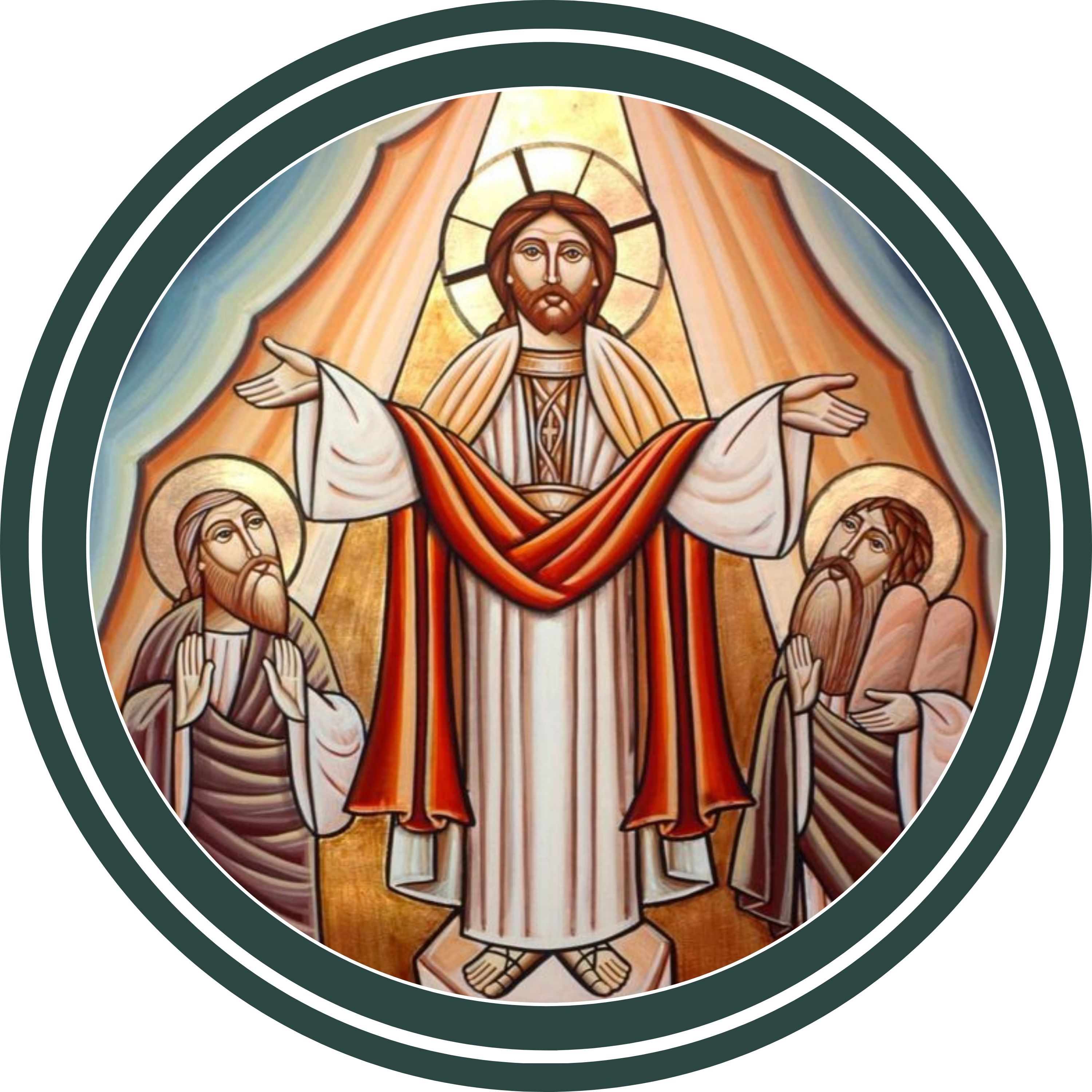
More important than baptism is the spring of tears that comes after baptism, although it may be somewhat bold to state this. Because baptism is the cleansing from evils that were present in us beforehand, but the sins which we commit after baptism are cleansed by tears. Although baptism is performed at infancy, all of us have polluted it, and so we need to purify it anew with tears. If, in His love for humanity, God had not granted us tears, few there would be, and difficult to discover, those who would be in a condition of grace.
The Ladder of Divine Ascent
Category: ReligiousLife
hermits and solitaries
The Advisor Council publishes “A Handbook of the Religious Life” which is extremely helpful. In recent editions, there is an Appendix on hermits and solitaries.
The terms Hermit and Solitary are often used interchangeably but for the purposes of the Handbook, the term ‘hermit’ refers to a member of a Religious Community and the term ‘solitary’ refers to one who is not a Religious.
Appendix V
There is a long tradition that anchorites (modern solitaries) are semi-religious. The above gives a technical starting point. There are many consequences from the above short working definition. Maybe I will post about them?!
words …
Some words from the Glossary:
Contemplative
A Religious whose life is concentrated on prayer inside the monastery or convent rather than on social work or ministry outside the house. Some communities were founded with the specific intention of leading a contemplative lifestyle together. Others may have a single member or small group living such a vocation within a larger community oriented to outside work.
Enclosed
This term is applied to Religious who stay within a particular convent or monastery – the ‘enclosure’ – to pursue more effectively a life of prayer. They would usually only leave the enclosure for medical treatment or other exceptional reasons. This rule is intended to help the enclosed Religious be more easily protected from the distractions and attentions of the outside world.
SK on monasticism
The monastic movement itself was a colossal abstraction, monastic life itself a continued abstraction, a life spent in prayer and hymn-singing – instead of playing cards at the club – if there is nothing against caricaturing the one, one must surely be allowed to present the other as it has caricatured itself.
Concluding Unscientific Postscript
SK had lots of positive things to say about monasticism! Just saying.
baptism and religious
The Religious life is way of living the Christian life. It is a particular way of living out the call to be a Christian and for a person to live out their baptismal promises. It is not therefore something exotic. At root this life is a call to prayer and service. God has called many people through the centuries to the life of a ‘Religious’. To those who hear such a call, it is demanding yet joyful, a way to find God and relate to the challenges of our 21st-century society.
What is a vocation?
religious life

Fr Henry Power Bull was Superior General of the Society of St John the Evangelist and the following is from the First Anglo-Catholic Congress:
The Religious Life is that state, or form, of life in which, obediently to the inspiration or call of God, a soul is consecrated to God in Jesus Christ under perpetual vows of Poverty, Chastity, and Obedience. There are many forms of this consecration, as there are also many objects with which is it is undertaken; and the Church has need of all. But strictly for the Religious state, as it exists in the Catholic Church, there is required the entire and permanent surrender of self, according to some fixed and recognised rule based upon the Evangelical Counsels, that is, upon the observance of a real spirit of Poverty, Chastity, and Obedience.
And about the enclosed life from the Cowley Evangelist:
It is no self-centred idle life, no dream of prayer, or following of self-will. It is a burning desire of love to die to self and to live to God, in great humility, and with an ever increasing intensity of worship and self-oblation.
happy religious?
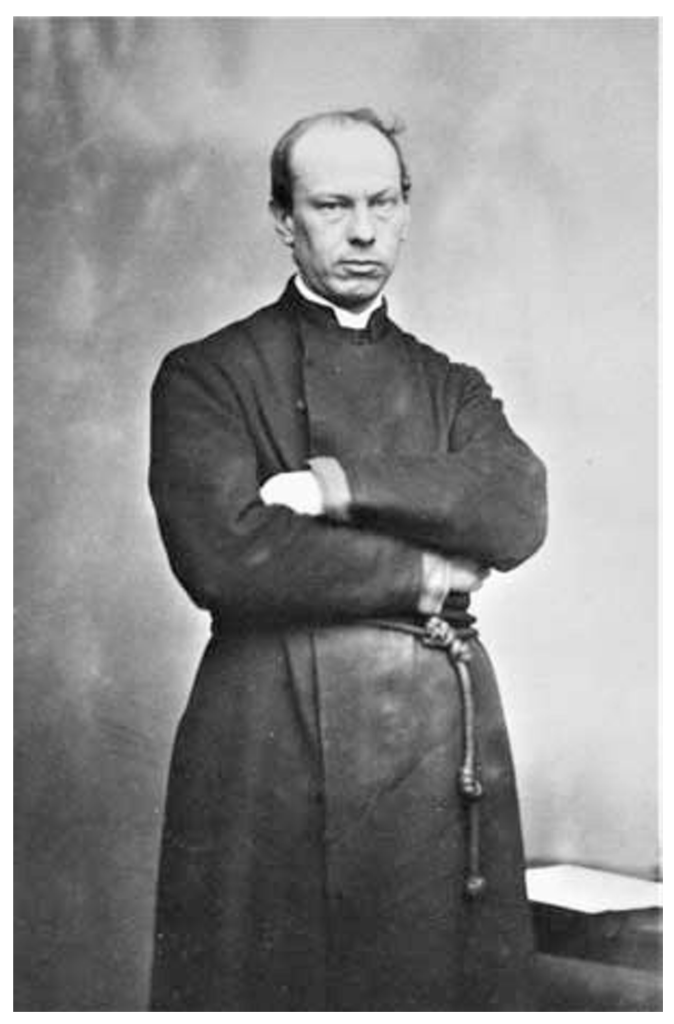
Simeon Wilberforce O’Neill SSJE
InstaLent
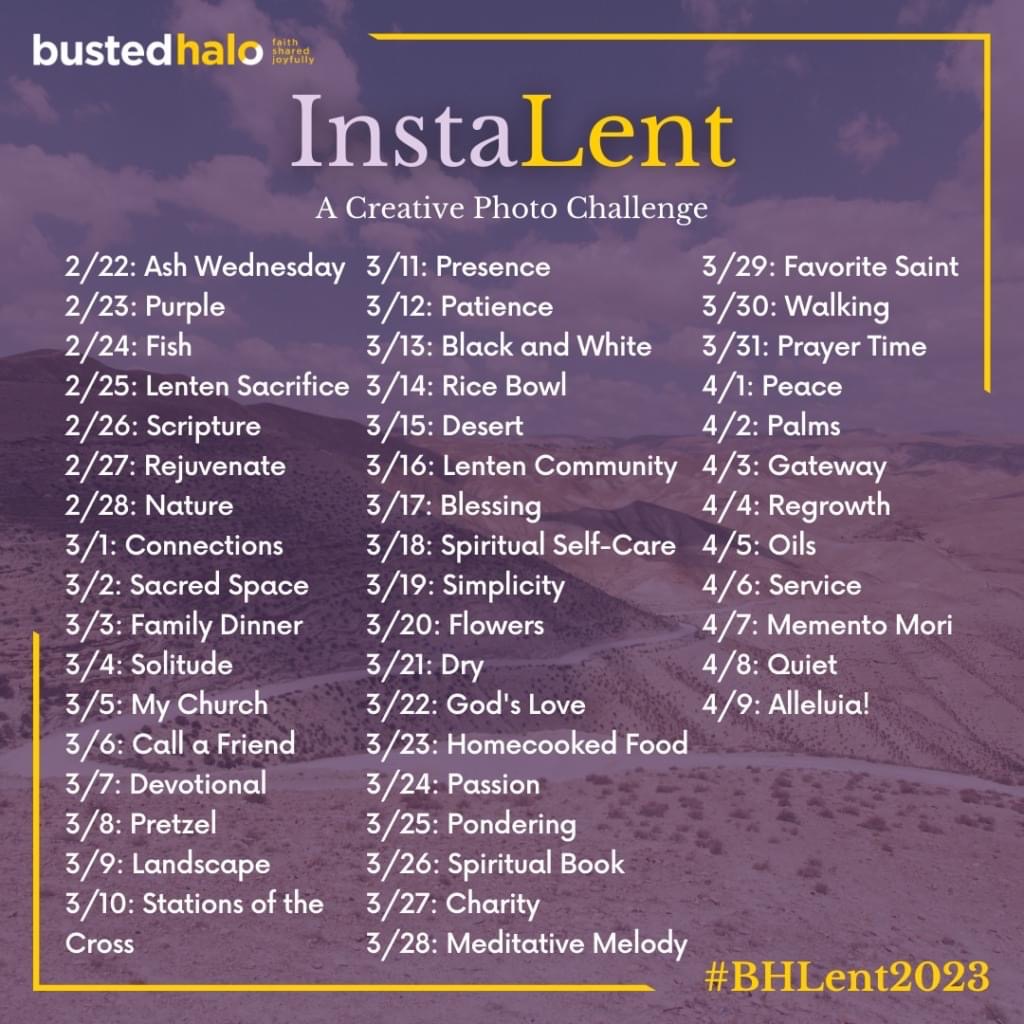
BustedHalo has an InstaLent photo starter. Great idea so I will do it on my Insta and here.
love
The world values Religious Communities for their work: Christ values them for their love.
Henry Power Bull SSJE
liminal space?
I have been trying to organise some thoughts around the religious life. And I found this quote:
The liminal space is an invitation to surrender – an invitation to give over to something larger than self and trust that we will be held and supported with whatever we need in order to navigate the uncertainty. The degree to which we are comfortable or uncomfortable has to do with how we choose to be with what is happening. We can choose to fight against the liminal space and struggle, or to flow with it by listening, sensing, and responding.
The Liminal Space – Embracing the Mystery and Power of Transition from What Has Been to What Will Be
Maybe the older mystical writers would call it “the cloud of unknowing”? There is a sense in which the religious life, or Christianity as a whole, is a “what if” life. I think the current Archbishop of Canterbury said that?!
 this solitary life