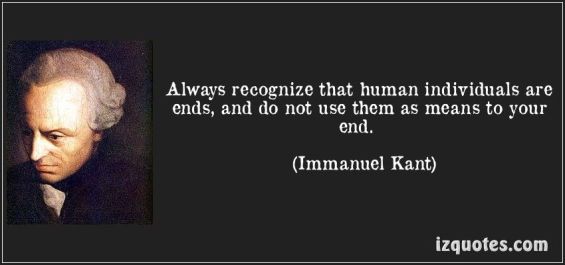
means to an end

I was thinking about this quote today:

3f259507ea0be026cf87dba23c3bbd09

Kant was an interesting individual. Yet the above is, I think, a sound principle. I know that I have often felt like a “means to an end” for people – which, alas, I have allowed myself to be so the fault lies with me. And, I cannot control others but only myself.

So for today’s reflection:

DO I use people for the sole purpose of achieving something else?

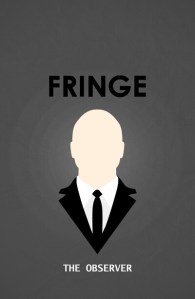
Observer

I have been reading Fear and Trembling and Kierkegaard and Christian Faith. As is the case sometimes with me, both have raised similar ideas. Both have said something to me that I needed to hear.

I was really struck by the first article in the second book, “An Introduction to False Pretenses, Søren Kierkegaard, and Trying on Faith for Size” by Kathleen Norris. (As a small aside, Norris also writes an introduction to a collection of poems by Thomas Merton that I am reading.) In the article she makes the point that she is not a philosopher – not about making distinction. Rather she is a person that makes connections. A lightbulb moment: that is me! Some of the distinctions of academic philosopher make my head spin. But I naturally connect various ideas (without intellectually fully understanding the background or finer points of the argument) into something meaningful for me.

Fear and Trembling is written by Kierkegaard under the pseudonym of Johannes de silentio. In the Preface he makes the point that he is no philosopher because he is not a system builder. He is, rather, an outsider looking in. I have spent my life looking for the perfect system all in an attempt to escape myself. But I have always been the outsider who takes a position within the system not taken by others.

All of this made me think:

  • I need to reject the labels of theologian (which I can claim by academic training and and experience) and philosopher (which I can claim by experience).
  • I am no system builder because I do not think systems can define. Systems have no authority.
  • I am an outsider looking in. I am simply an Observer who sees themes in the world around him.

“Lost” in choices

I think stories and how we tell them are important. Some TV is just escapism. But we cannot ignore that modern questions are sometimes asked in unusual and new contexts. So reflecting on real TV shows is going to be an ongoing theme on this blog – how do these shows reflect the questions we are asking? And, more importantly, what do they say about being a person in a modern age?

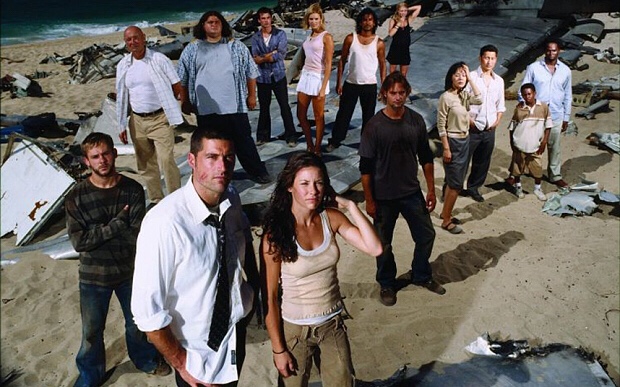
I have been re-watching Lost. (Remember when everyone was into it and every podcaster was doing a Lost fancast?) I have been hesitant to watch it again – not much value once you know how it ends. But I have been pleasantly surprised and entertained. Once you get past the whole “island mystery” thing, the characters are well developed. I like the interconnectness and overlap. Yet, as an Australian, the Australian sections are unrealistic and way off the mark – no “hot sauce” or bars in Australia!

Anyway, back to the point. I have been struck by the recurring theme of consequences. The main characters all carry the consequences of their actions onto the island. The flash-backs bring the choices of the individual into focus in the new context of the island. A Catholic may even see the island as an image for purgatory.

So the point: all our actions, and hence our choices, have consequence. Sometimes these are good and sometimes they are not. But every choice we make has a consequence that we have to live with.

So here are the take-aways for me:

  • I make choices and they have consequences.
  • Not all consequences are good or pleasant.
  • But they are my choices and I cannot blame others for the consequences.
recommended future

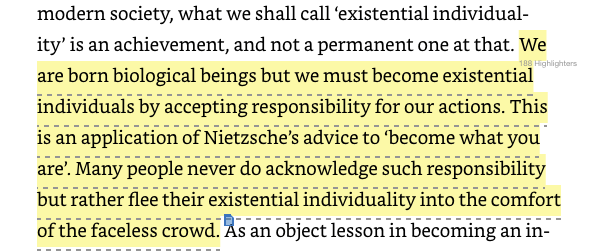
A personal recommendation: Existential Christianity.

I have been reading through the articles, especially the author’s main thesis. I think his context is different from my experience and I am not as ready to dismiss certain aspects of the church as quickly as he appears to be. (That being said, I am not sure which aspect to hold on to!) It has, however, made me think!

So here are some random points for further discussion and thought:

  • Faith as character.
  • The problem of language.
  • Doctrine and salvation.
  • How to approach authority in a modern age?
  • What is “revealed”?
  • How to read the Bible and “listen to the Church” as a Single Individual?
  • Sin and choice.
  • Abstracted God and authentic being.
  • The paradox of Jesus.
  • Being human before God.
  • Being “me” before God.

Maybe some could be combined?!

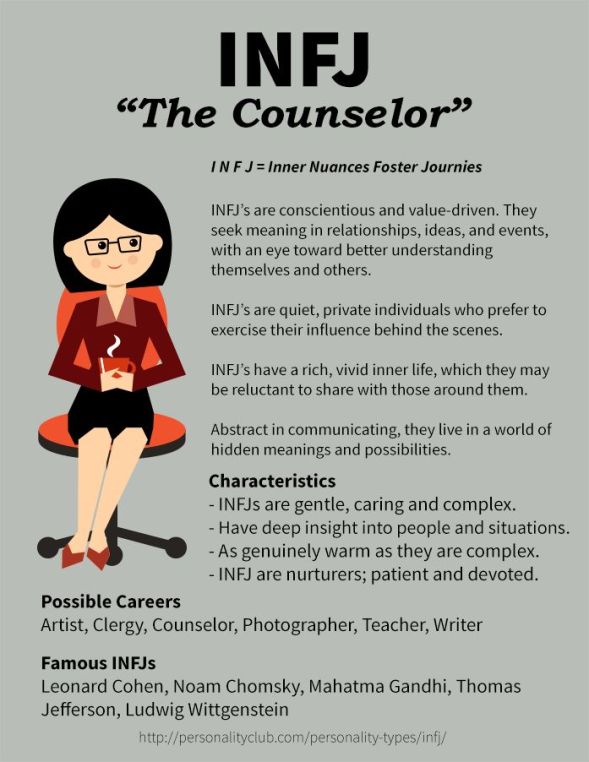
character vs personality

Character, on the other hand, takes far longer to puzzle out. It includes traits that reveal themselves only in specific—and often uncommon—circumstances, traits like honesty, virtue, and kindliness. Ironically, research has shown that personality traits are determined largely by heredity and are mostly immutable. The arguably more important traits of character, on the other hand, are more malleable—though, we should note, not without great effort. Character traits, as opposed to personality traits, are based on beliefs (e.g., that honesty and treating others well is important—or not), and though beliefs can be changed, it’s far harder than most realize.

Source: Personality vs. Character

I wonder if in our modern society we often confuse the two.