Author: a fool
All alone with Jesus
Whitsun homily
The Lesson from the Holy Gospel according to John
AT that time: Jesus said unto his disciples: If ye love me, keep my commandments. And so on, and that which followeth.A Homily by St. Gregory
IT would be well, dearly beloved brethren, to make our comments brief as may be, so that we may di at greater length on the meaning whereon suddenly there came a t this great festival. For this is the d from heaven, and the Holy descended upon the disciples thereby changed the carnal mind men, filling them with love for hi self. Thus, whilst there appeared outwardly cloven tongues like as of fire, inwardly their hearts began to burn. At the same time that they perceived God in this fiery manifestation, they were all set on fire of love in its sweetness. The Holy Ghost himself is love. Whence it is than John saith: God is love. Whosoever then, desireth God with all his soul, the same hath already entered in possession of him whom he loveth. And except he possess him that he loveth, he cannot love God.BUT here consider this. It we to ask anyone of you whether he loveth God, he might perchance answer with all boldness and quietness of spirit: I do love him. But in this day’s Lesson, ye have heard what the Truth saith: If a man love me, he will keep my words. proof of love, therefore, is its manifestation in practice. Hence the same John hath said in his Epistle: The man that saith, I love God, and keepeth not his commandments, the same is a liar. For we do truly love God, and keep his commandments, if we deny ourselves the gratification of our appetites. Whoever abandoneth himself unlawfully desires, such an one plainly loveth not God, for thereby he setteth himself against God’s good pleasure.
NOTE the words: And my Father will love him, and we will come unto him, and make our abode with him. Think, dearly beloved brethren, what a dignity it is, to have God abiding as a guest in our hearts. Surely if some rich man, or some powerful friend, were to come into our house, we would hasten to have the whole house cleaned, lest perchance when he came in, he should see aught to displease his eye. So let him that would make ready his soul as an abode for God, cleanse it from all the filth of evil works. But consider once more what the Truth saith: We will come unto him, and make our abode with him. There a some hearts whereunto God cometh, but maketh not his abode therein. This is because they feel reverence for God when their conscience doth prick them; but in time a temptation they forget their conscience, and turn again to their sins, as though they bad never repented.
RESTORATION DAY, 29 May
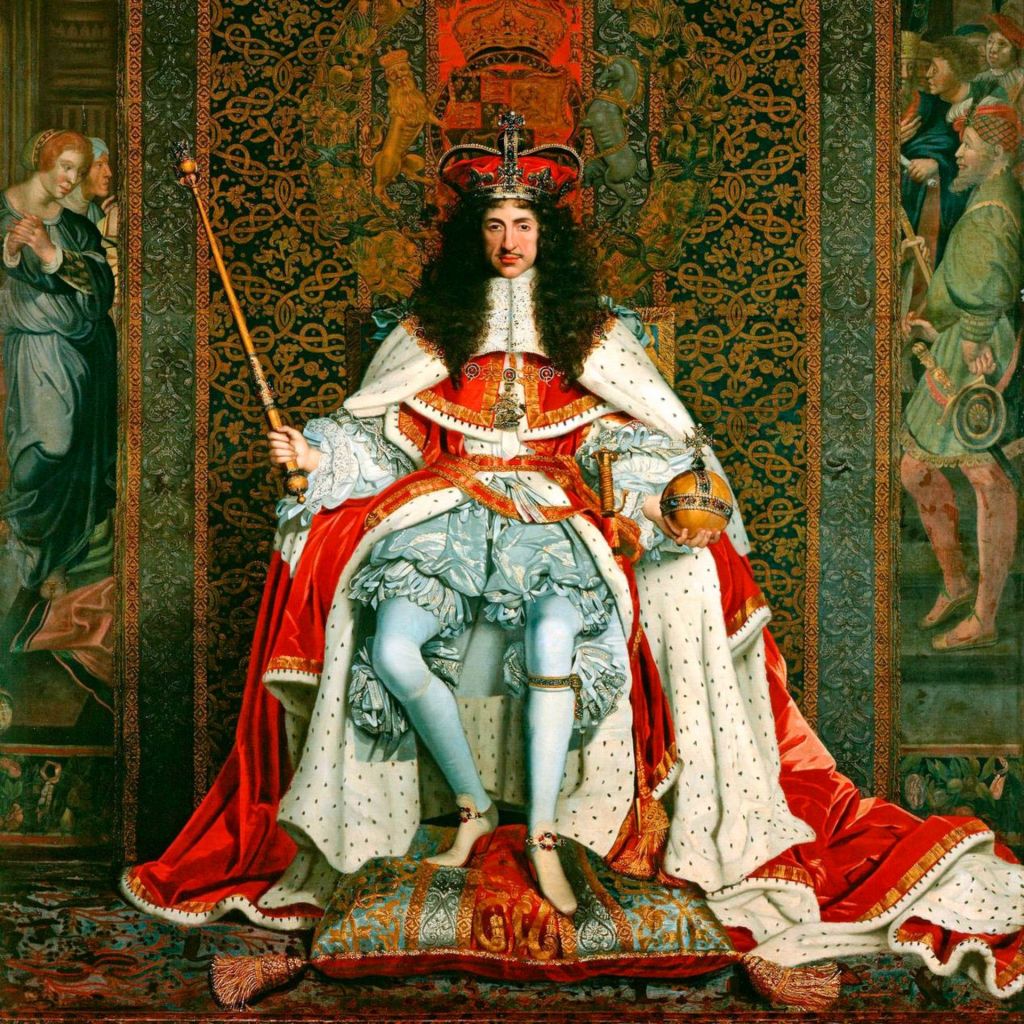
Almighty God, who art a strong tower of defence unto thy servants against the face of their enemies; We yield thee praise and thanksgiving for the wonderful deliverance of these Kingdoms from The Great Rebellion, and all the miseries and oppressions consequent thereupon, under which they had so long groaned. We acknowledge it thy goodness that we were not delivered over as a prey unto them; beseeching thee still to continue such thy mercies towards us, that all the world may know that thou art our Saviour and mighty Deliverer; through Jesus Christ our Lord. Amen.
O LORD God of our salvation, who hath been exceedingly gracious unto this land, and by thy miraculous providence hath delivered us out of our late miserable conditions, by restoring to us our dread Sovereign Lord, thy servant, King CHARLES; We are now here before thee with all due thankfulness to acknowledge thine unspeakable goodness this day shewed unto us, and to offer up our sacrifice of praise unto thy glorious Name; humbly beseeching thee to accept this our unfeigned though unworthy oblation of our selves; vowing all holy obedience in thought, word, and work unto thy divine Majesty; and promising in thee and for thee all loyal and dutiful allegience to thine Annointed servant, and to his heirs after him: whom we beseech thee to bless with all encrease of grace, honor, and happiness in this world, and to crown with immortality and glory in the world to come; for Jesus Christ his sake, our only Lord and Savior. Amen.
again
What personal belongings do you hold most dear?
A repeat of yesterday: my books. They are the belongings with which I spend most time. And thought!
Jesus Prayer
books
Do you have any collections?
I collect books. The older the better, especially bizarre ones. I love cataloging them and using my barcode scanner. And I love looking for that one particular book that I must have now.
free obedience
The ambivalence in this relationship reflects an underlying tension between monastic and anchoritic ideals. The monastic life is based on obedience, the anchoritic life on independence; one requires the renunciation of the will, the other the exercise of free choice.
Innes-Parker, Catherine; Yoshikawa, Naoë Kukita. Anchoritism in the Middle Ages: Texts and Traditions
St Elisabeth the New Martyr
Russian Kontakion
i don’t
How do you plan the perfect road trip?
I dislike going outside. A trip to the shops is a trip into hell itself – the loudness of the context makes me anxious. So … I don’t!
 a fool and his prayer book