Rather than a quote – let’s face it, this blog is full of quotes – I share with you my favourite prayer:
Lord Jesus Christ, Son of God, have mercy on me, a sinner
It is called the Jesus Prayer. It has become part of life and is a presence all the time. I pray this prayer at night when I wake and during the day. It is just part of life!
It is intrinsic to ascetical theology to adapt itself to the contemporary situation, yet it can only evolve out of a living tradition with roots in the past.
If you had to give one life-changing tip, what would it be?
I do not like giving advice to anyone. But if someone asked me for one tip?!
Worry about what is in your control! And the only person you control is you. Anything or anyone outside of that control needs to worry about themselves. You control you!
Yes I have learned that the hard way. And yes I am terrible at it. Other people make choices that are outside of my control and hence outside of my worry.
What’s a skill you consider basic, that most people don’t actually know how to do?
I am not sure if this is a skill but here it goes. I know how to praying using the Book of Common Prayer. I have used it for most my adult life so it is second nature. And not just the one but most of them! I also know how to use the Anglican Breviary and the English Missal. A skill without use.
What entitles someone to act as spiritual guide? How and by whom is he or she appointed?
To this there is a simple answer. The elder or starets is essentially a “charismatic” and prophetic figure, accredited for her or his task by the direct action of the Holy Spirit. Spiritual guides are ordained, not by human hands, but by the hand of God. They are an expression of the Church as “event” or “happening,” rather than of the Church as institution
Who is the fictional character you relate to the most?
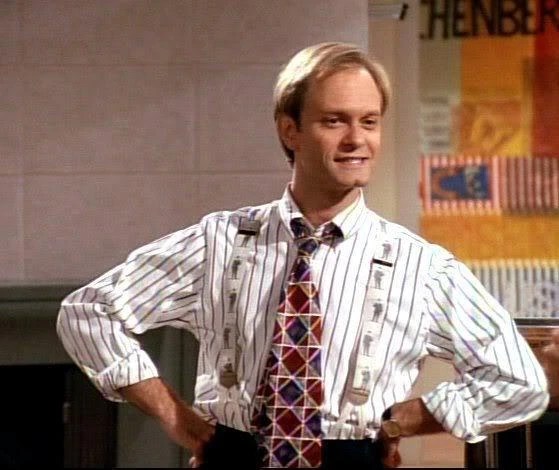
Uh, I’d like a petit filet mignon, very lean; not so lean that it lacks flavor, but not so fat that it leaves drippings on the plate. And I don’t want it cooked; just lightly seared on either side, pink in the middle; not true pink, but not a mauve either, something in between; bearing in mind, the slightest error either way, and it’s ruined. Niles Crane
So let me change the prompt a little: is there a mind behind everything? Yes! Is there a person who loves me and orders things? Yes. But … and this is a HUGE BUT … that does not remove my accountability for my actions.
I am not a fan of the idea of “fate”. Yes, reason but also accountability.
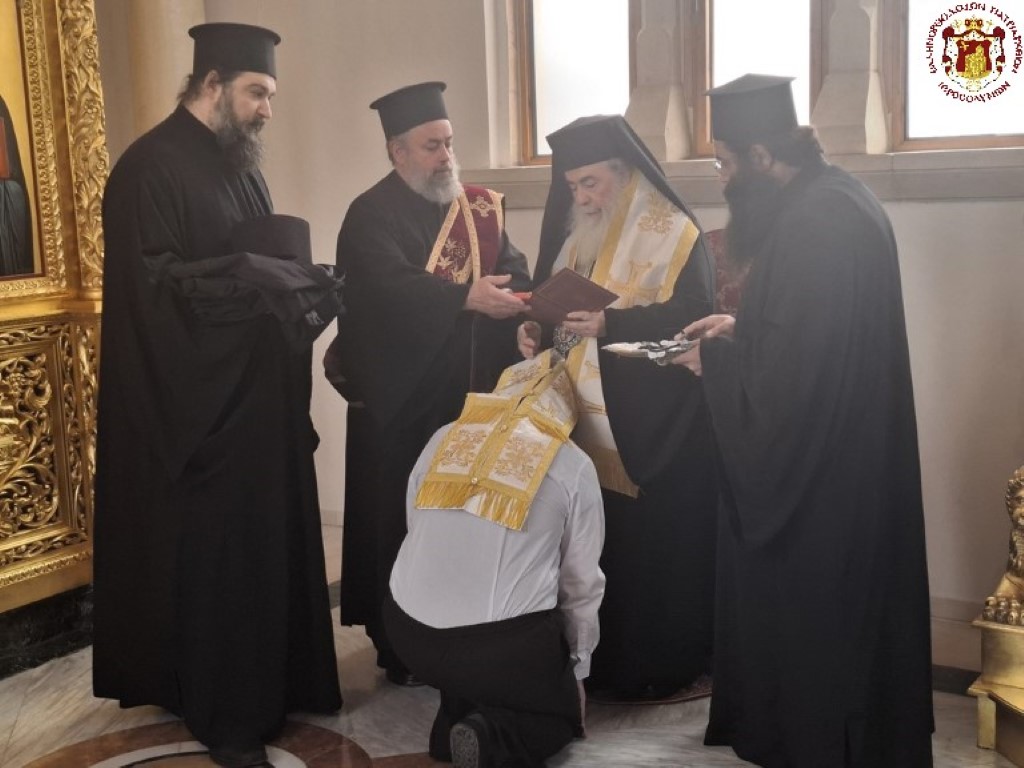
The Candidate at a Monastic Profession, a penitent like the Candidate for Baptism, comes as though to a second baptism. He is referred to in the Office itself as a Catechumen. He is unclothed in the Narthex, as though about to be baptized by immersion, and to signify that he is to put off the old man and put on the new. The Candidate takes Vows, similar to the baptismal vows of renunciation, faith, and obedience to the end of life. The Vows are taken, as at Baptism, in answer to formal and explicit questions. A new name is given, as at Baptism, which commonly has the same initial letter as the baptismal name; and the head is shorn, as at Baptism. The Habit given to the Monk or Nun at the Profession may be compared to the baptismal garments of the newly-baptized, consisting of the Chrisom-Robe, called in the Office of Baptism the Tunic of righteousness; the Girdle; and the Chrisom-Veil, known as the baptismal Cowl, or Cap. The Cross, the lighted candle, and the kiss correspond to those given at Baptism. And on the eighth day there follows the laying aside of the Cowl, after analogy of the laying aside of the baptismal robes.
In the Penitentiale of Theodore of Tarsus (a:b. 668-690) it is stated that the Monk covers his head with his Cowl for seven days, and on the seventh day the Abbot removes the head-covering, just as the Priest takes away the infant’s head-covering ; because, according to the opinion of the Fathers, the Monastic Profession is a second baptism, in which all sins are remitted as in baptism.
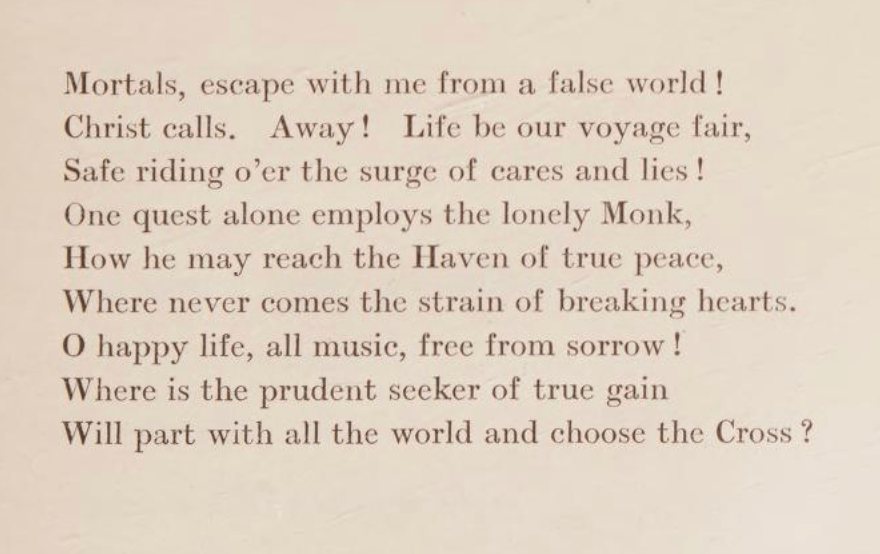
Mortals, escape with me from a false world! Christ calls. Away! Life be our voyage fair, Safe riding o’er the surge of cares and lies! One quest alone employs the lonely Monk, How he may reach the Haven of true peace, Where never comes the strain of breaking hearts. O happy life, all music, free from sorrow! Where is the prudent seeker of true gain Will part with all the world and choose the Cross?
 a fool and his prayer book