Jesus began to weep

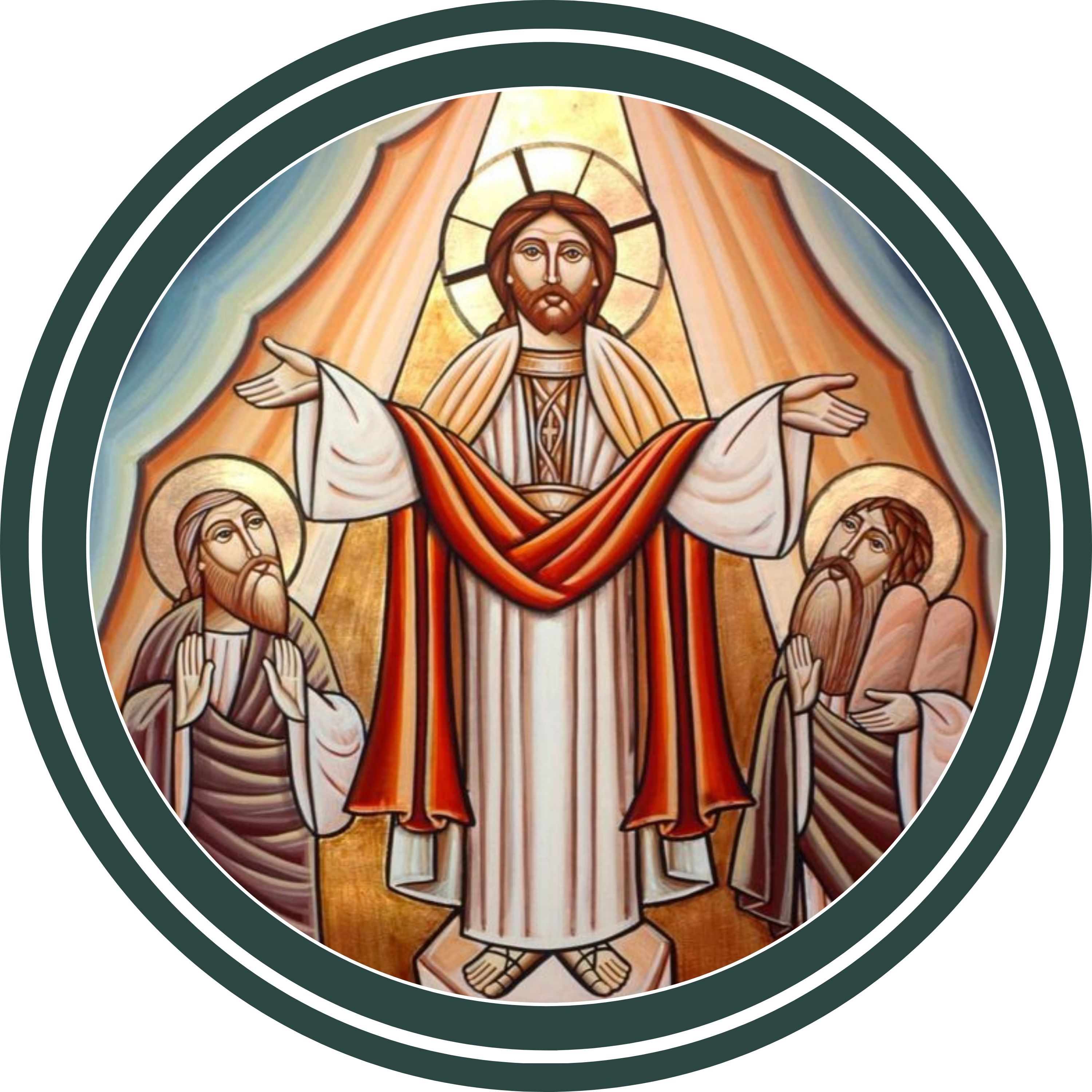
When she had said this, she went back and called her sister Mary, and told her privately, “The Teacher is here and is calling for you.” And when she heard it, she got up quickly and went to him. Now Jesus had not yet come to the village, but was still at the place where Martha had met him. The Jews who were with her in the house, consoling her, saw Mary get up quickly and go out. They followed her because they thought that she was going to the tomb to weep there. When Mary came where Jesus was and saw him, she knelt at his feet and said to him, “Lord, if you had been here, my brother would not have died.” When Jesus saw her weeping, and the Jews who came with her also weeping, he was greatly disturbed in spirit and deeply moved. He said, “Where have you laid him?” They said to him, “Lord, come and see.” Jesus began to weep. So the Jews said, “See how he loved him!” But some of them said, “Could not he who opened the eyes of the blind man have kept this man from dying?”

John 11:28-37

Until very recently, I have never really understood (intellectually) what it means that Jesus wept. I guess I still do not understand it!? There is an awful lot of crying happening in the above text.

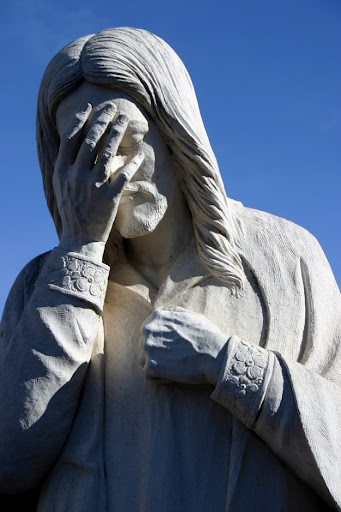
In weeping Jesus is truly human – the Incarnate Word is emotionally moved by the pain and suffering of others to tears. Something in his very core is moved, he has “compassion” for people. He truly suffers with individuals – he truly feels my pain and hurt.

I remember a preacher, when I was growing up, who used to cry during his sermons. I have often thought about that and dismissed it as “emotional manipulation”. But of all the preachers I have heard in my life, why do I remember that particular one?

I pray for the gift of tears! For my sins. But most of all: for the pure love that God is showing to me in Jesus. I am not sure any of that makes sense.
carthusian wisdom

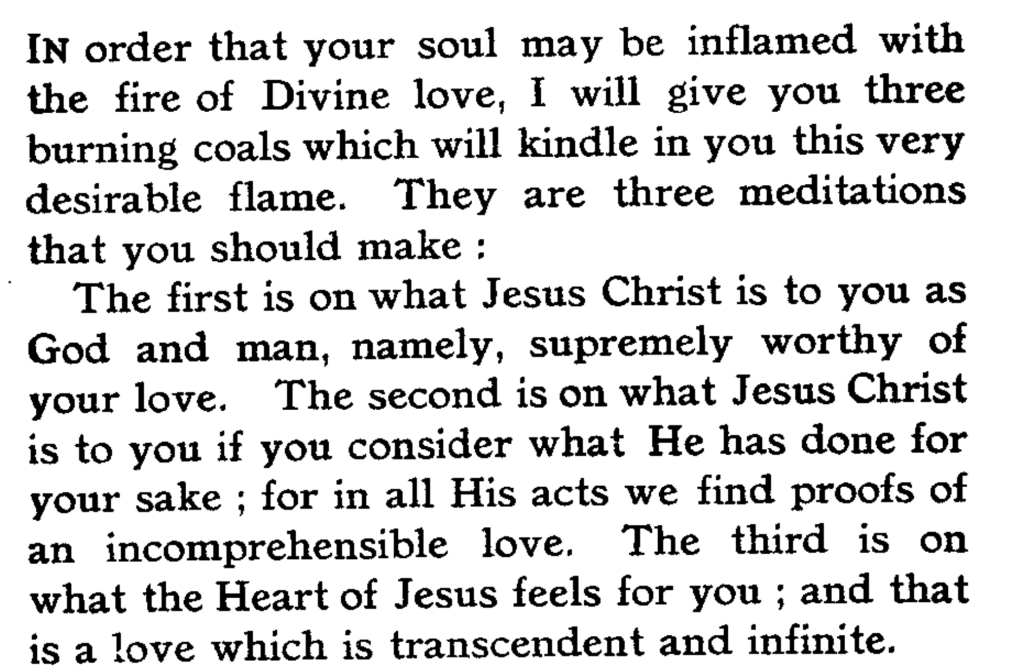
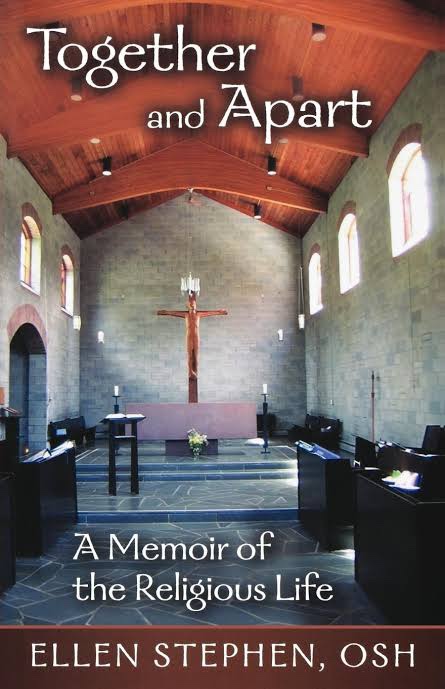
I have been reading a book of devotions to the Sacred Heart written by Carthusians. Some of it is dated – and the language is a little old fashioned. But it is often filled with deep insight growing from solitude and silence. So here is the introduction to a Month with the Sacred Heart:

And, by the way, the devotions in this particular book often speak about “weeping” and “tears”. And, yes, I grew up in a culture that does not cry, especially for men, but I am starting to reconsider that from a spiritual point of view.

when?

I have had a late start today. Nothing in particular just struggled to get going. So I have said Morning Prayer later than usual. The reading was from Matthew 12 and ended with these verses:

I tell you, on the day of judgment you will have to give an account for every careless word you utter; for by your words you will be justified, and by your words you will be condemned.”

Matthew 12:36-37

At what point does silence become a vocation versus a form of escapism? When is it a psychological problem and when is it a calling from God? Sometimes, I think, it is extremely hard to tell. And if it is a personal preference, did God put it there for Him?

I read the Cloud of Unknowing yesterday and it repeats a simple theme:

This work is fundamentally a naked intent, none other than the single-minded intention of our spirit directed to God himself alone.

So can we speak of a general vocation that is worked out in a particular context? I desire Jesus alone and He calls me to solitude and silence? The context may change but the “desire” is always the same.

relationship and affections

I think this is the principal reason why the invisible God willed to be seen in the flesh and to converse with people as a person. He wanted to recapture the affections of carnal humanity who were unable to love in any other way, by first drawing them to the salutary love of his own humanity, and then gradually to raise them to a spiritual love.

St Bernard of Clairvaux

In Michael Casey’s book on Lectio Divina, Sacred Reading, he makes the point that relationships and bonds between persons are emotional in nature. I have never really thought about that but I suspect it is very true. (Yes, very true!) In a modern context, maybe we are tempted to intellectualize relationships into common aims and common beliefs. But what bonds me to you is my feelings for you.

The above from St Bernard reminds me of Kierkegaard’s story of the king who falls in love with his servant. Love should be freely given and not forced. The Incarnation is an invitation to love on “my level”. Jesus does not force love but offers it.

vocation?

What I really need is to get clear about what I must do, not what I must know, except insofar as knowledge must precede every act. What matters is to find a purpose, to see what it really is that God wills that I shall do; the crucial thing is to find a truth which is truth for me, to find the idea for which I am willing to live and die.

1 August 1835

I have been thinking a lot about vocation. Do I have one? And if so, what is it? Is it from me or from God? What if I tell people and they laugh?

This morning I thought about one of the earliest pieces that people normally read when they start with Kierkegaard – the journal entry for 1 August 1835. And, in particular, it is the end, “and die”. Is the vocation something I am willing to die for? Or, to put it another way, am I willing to live it for the rest of my life? No matter what the cost. If so, whether the church says it is a vocation, or other people, because less relevant. Yes, God speaks through others! But am I dedicated enough to stick it out to the very end even under opposition.

And then I thought about a quote from a book I have been reading (which I think I have shared before):

And it is in this sense that it has been rightly said that monasticism is a kind of substitute for mar­tyrdom.

I am not sure what a “substitute” means in this context. And I know that various forms of monasticism have sometimes been called “white martyrdom”. So putting it all together I am still as clueless as always!!!

So …

I have renewed my blog for another year. In a year, I have no idea where I will be – emotionally, spiritually, or physically – but I am taking a “leap into faith”. I have a very strong sense of what God wants from me but since we are in lockdown I have not had the opportunity to talk to people about it. Life needs to unfold and I simply need to be patient and wait.

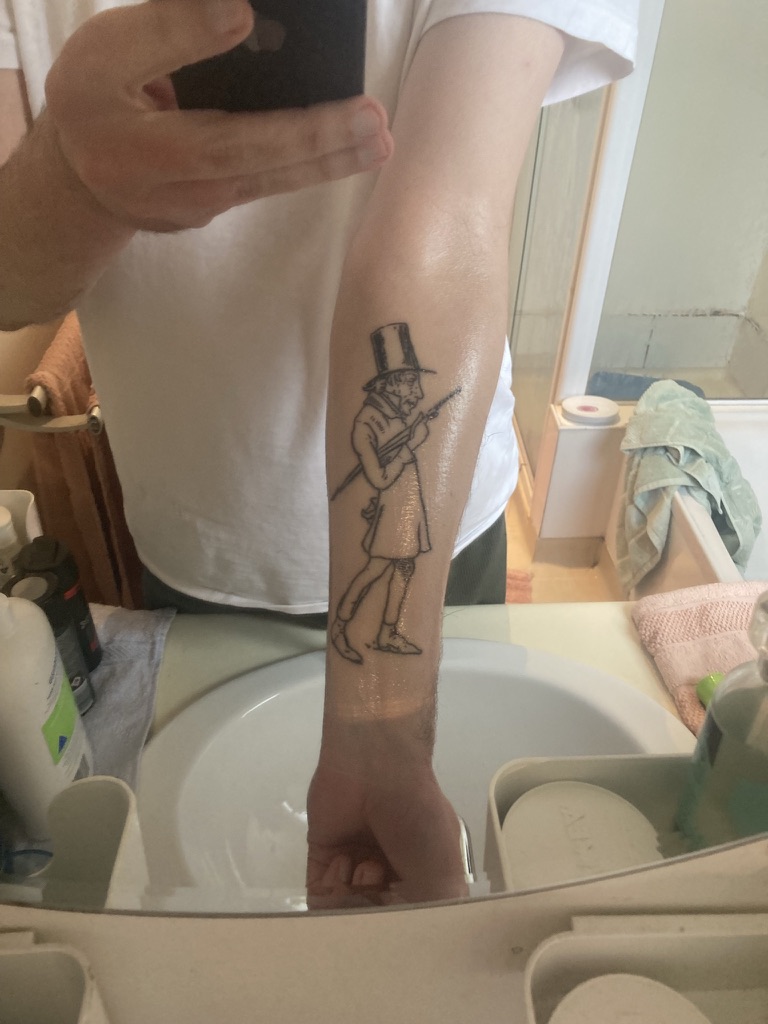
Kierkegaard tattoo

So I wanted to share this picture:

For my birthday I got a tattoo. Something I never thought I would do. But I am so happy with the whole experience that I am thinking about what to get for the other arm. Sorry, a bathroom selfie is not very aesthetic.

Today I am getting my first dose of the Covid vaccine. And, in an ironic twist, I am a little worried that it will hurt. So pray for me!

faith and doubt

The opposite of faith is not doubt because the opposite of doubt is knowledge. And faith is not a type of knowledge. The opposite of faith is sin – a refusal to believe.

manage people

… because everyone is drawn almost irresistibly back towards this urge to manage.

Rowan Williams. Silence and Honey Cakes, 26.

I have been reading Silence and Honey Cakes – a book by Archbishop of Canterbury Rowan Williams on desert spirituality. It was recommended to me by a lecture in history at a Catholic theological institute.

The above – “this urge to manage” – is a very strong image for me in the first chapter. The withdrawal into the desert is not a withdrawal from a sinful world but an opening of my own sinfulness. And at the core of this is my need to manage people. To set limits on other people’s access to God and to always place myself between God and people. To make myself the spiritual guru, the person with the answers, the person who has it all worked out. To place myself above the other is not an act of love but hubris.

But that is nothing but my sinfulness. And in silence, I hear that most clearly. The desert is not a place but part of my heart that I need to listen to intently. Only when I know what it means to be broken can I really appreciate what it means to be whole – or holy!