black habit …

Canon XLII. Those who are called Eremites and are clothed in black robes, and with long hair go about cities and associate with the worldly both men and women and bring odium upon their profession—we decree that if they will receive the habit of other monks and wear their hair cut short, they may be shut up in a monastery and numbered among the brothers; but if they do not choose to do this, they are to be expelled from the cities and forced to live in the desert (ἐρήμους) from whence also they derive their name.

Council of Trullo (692)
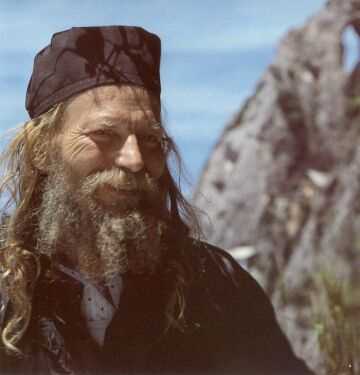
Hermits who were not monks have tended to keep both beards and hair uncut, although there have been and are exceptions. This has been based less on any specific prescription relating to hair rather than

  • following the tradition and practice of the earliest Hermits;
  • as a sign of lack of interest in or concern about physical appearance;
  • to minimise the need to pay attention to personal adornment through regular shaving and/or hair cutting;
  • as a reaction against worldly fashion (although this has raised some concerns at times when beards and/or long hair were the height of popular fashion!).
Hermits and Hair

living the dream

If the salary was the same, what job would you be doing right now and why?

I am living my dream – a life of prayer and fasting focused on Jesus. Yes, I am weak and often stumble. And, yes, I lack humility and insight. But I would not do anything different.

Yes, there are aspects that I might work on. And money is always an issue. And I had to move away from my “forever home”. But this life is my vocation – my calling. I have to adjust and make myself worthy. But this is my dream and I would not change anything.

icon postcards

Share a hobby you’ve picked up recently — what got you into it?

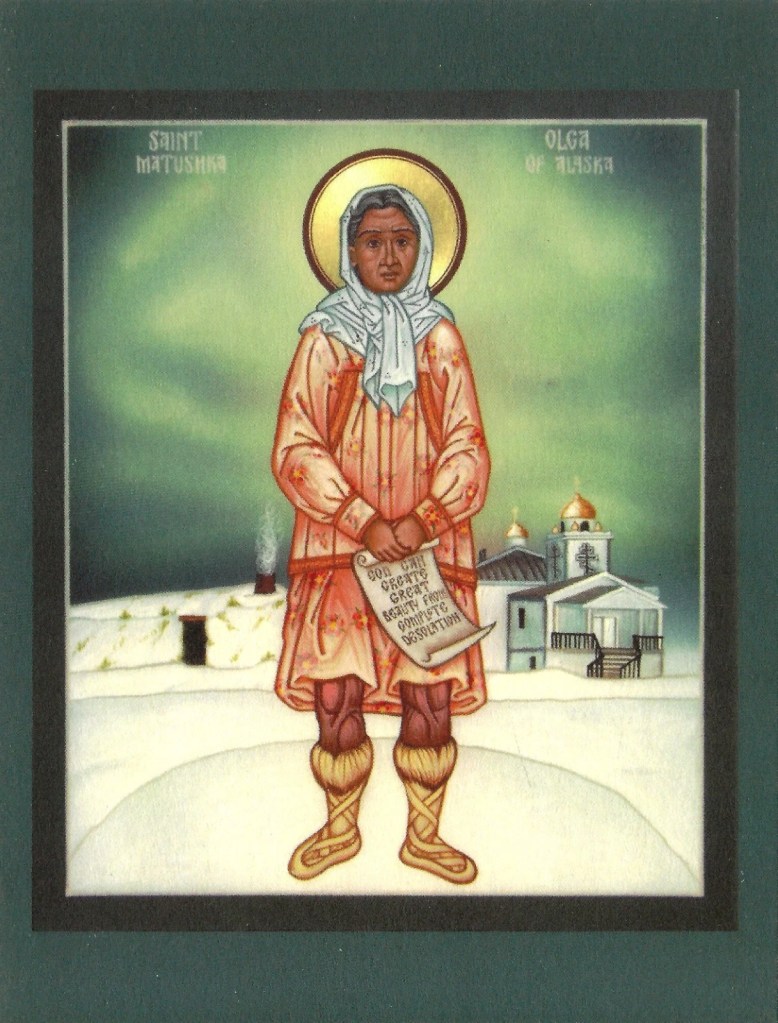
I collect icon postcards – holy cards. Absolutely love it! My favourites are collected in a book – my holy book. I like that they are not the “standard” and that the book is the same size as my Prayer Book – a mobile collection for prayer anytime and anyplace.

I like icons and these are mobile and cheaper. The size is perfect! Also there are icons which are not so common – like St Olga. Anyway …

misunderstanding

What if, hear me out, the west has misunderstood the doctrine of the Trinity? And, what if, because of this misunderstanding there is such a decline in religious participation?

I mean, what if the filique is just as important as the eastern churches claim it to be?

And what if Nietzsche is right: the west has made God a metaphysical principle?

Just what if …

philosopher

What’s a book you never finished but still think about?

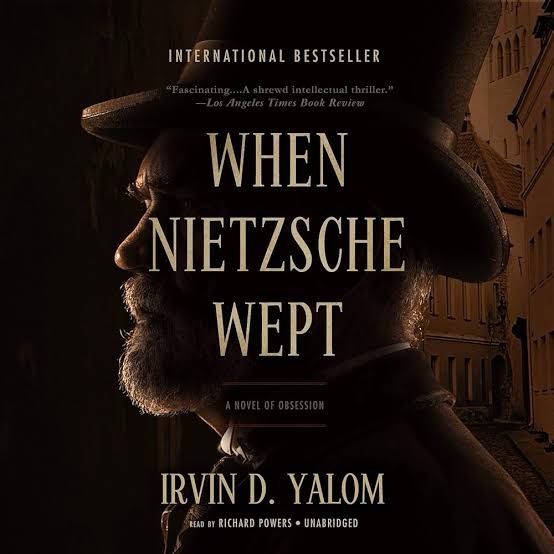
I could mention a number of books but here is one: When Nietzsche Wept.

TBH: I found it a little pompous and the plot with very slow. I like the subject – Nietzsche’s relationship with Lou Salomé – and the general premise is very promising but somehow does not deliver for me.

It is one of those books where I get to a certain point, wonder what is happening next, and then cannot go on. But always wonder how it ends. Maybe I should skip to the end and find out!?

prayer and fasting

Council of Chalcedon
Canon IV.

Let those who truly and sincerely lead the monastic life be counted worthy of becoming honour; but, forasmuch as certain persons using the pretext of monasticism bring confusion both upon the churches and into political affairs by going about promiscuously in the cities, and at the same time seeking to establish Monasteries for themselves; it is decreed that no one anywhere build or found a monastery or oratory contrary to the will of the bishop of the city; and that the monks in every city and district shall be subject to the bishop, and embrace a quiet course of life, and give themselves only to fasting and prayer, remaining permanently in the places in which they were set apart; and they shall meddle neither in ecclesiastical nor in secular affairs, nor leave their own monasteries to take part in such; unless, indeed, they should at any time through urgent necessity be appointed thereto by the bishop of the city. And no slave shall be received into any monastery to become a monk against the will of his master. And if any one shall transgress this our judgment, we have decreed that he shall be excommunicated, that the name of God be not blasphemed. But the bishop of the city must make the needful provision for the monasteries.

Henry R. Percival. The Seven Ecumenical Councils of the Undivided Church: their Canons and Dogmatic Decrees

BCP and fasting?

I asked this on FB so …

For those in the know (you know who you are): with the revision of the Prayer Book, what is the canonical standing of the “Tables and Rules for the Feasts and Fasts through the whole Year”?

Is an Anglican to keep these fasts?

There is an ascetic system enshrined in BCP (1662) – a discipleship way. But I have never heard anyone speak of it?

The Religious Societies of the seventeenth century offer most practical and important witness. Associated with Anthony Horneck’s ministry at the Savoy Chapel, London, and later with William Beveridge and Robert Nelson, these societies arose as an attempt – and a successful one – to practise the full teaching of the Church as enshrined in the Book of Common Prayer. The initial influence of these societies, these “Faithful Remnants”, was enormous, and history supports their sanity and zeal. The recitation of the daily Office was central to their activity, a priest-director was an essential part of the system, while works of charity towards the poor were a natural outcome. It is significant that their demise came when extraneous interests in politics and sociology overbalance the original Godward intention. For most of our modern parochial organizations, the writing on the wall could hardly be plainer.

English Spirituality