absolutes and faith

Faith is precisely this paradox, that the single individual as the particular is higher than the universal and is justified over against the latter not as subordinate but superior to it, yet in such a way, mind you, that it is the single individual who, after having been subordinate to the universal as the particular, now through the universal becomes the single individual who as the particular is superior to it; [faith is this paradox] that the single individual as the particular stands in an absolute relation to the absolute.

Fear and Trembling .

… not institutional

Sophronius’ account of Mary of Egypt is rich in theological and symbolic meaning. Her life dramatizes the Christian doctrine of metanoia, or radical repentance. In contrast to idealized virgin martyrs or pious abbesses, Mary’s starting point is one of abjection and vice. Her sanctification, however, does not stem from institutional religion, monastic guidance, or sacramental regularity, but from personal encounter with divine grace. Sophronius portrays the desert as both a site of temptation and a crucible of transformation—echoing the biblical paradigm of the Israelites and Jesus himself.

Rule

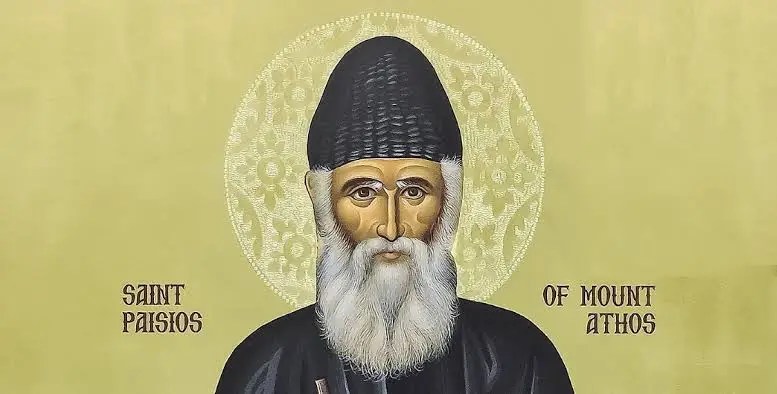
Sit in your cell as in paradise.
Put the whole world behind you and forget it.
Watch your thoughts like a good fisherman watching for fish,
The path you must follow is in the Psalms — never leave it.

If you have just come to the monastery,
and in spite of your good will you cannot accomplish what you want,
take every opportunity you can to sing the Psalms in your heart
and to understand them with your mind.

And if your mind wanders as you read, do not give up;
hurry back and apply your mind to the words once more.

Realize above all that you are in God’s presence,
and stand there with the attitude of one who stands
before the emperor.

Empty yourself completely and sit waiting,
content with the grace of God,
like the chick who tastes nothing and eats nothing
but what his mother brings him

purgation

Traditionally the first “step” of union with God is purgation. One of the definitions suggested by Google is “evacuation of the bowels brought about by taking laxatives.” For the follower of Jesus, it is simply being like Jesus who …

… ἑαυτὸν ἐκένωσεν μορφὴν δούλου λαβών, ἐν ὁμοιώματι ἀνθρώπων γενόμενος· καὶ σχήματι εὑρεθεὶς ὡς ἄνθρωπος

… made himself of no reputation, and took upon him the form of a servant, and was made in the likeness of men

Philippians 2:7 (KJV)

Other English translations use “empty himself” for κενόω. Maybe philosophically it is a little like “nihilism” – to become nothing? For the follower of Jesus is a choice to be “nothing” so God can create.